
Tile Fixing in Dubai
Wall and floor tiling, cracked-tile replacement, regrouting and silicone resealing for bathrooms and kitchens. Marble, ceramic, porcelain, mosaic — laid level, jointed cleanly, sealed properly. In-house team, fixed-price quotes, 6-month workmanship warranty.
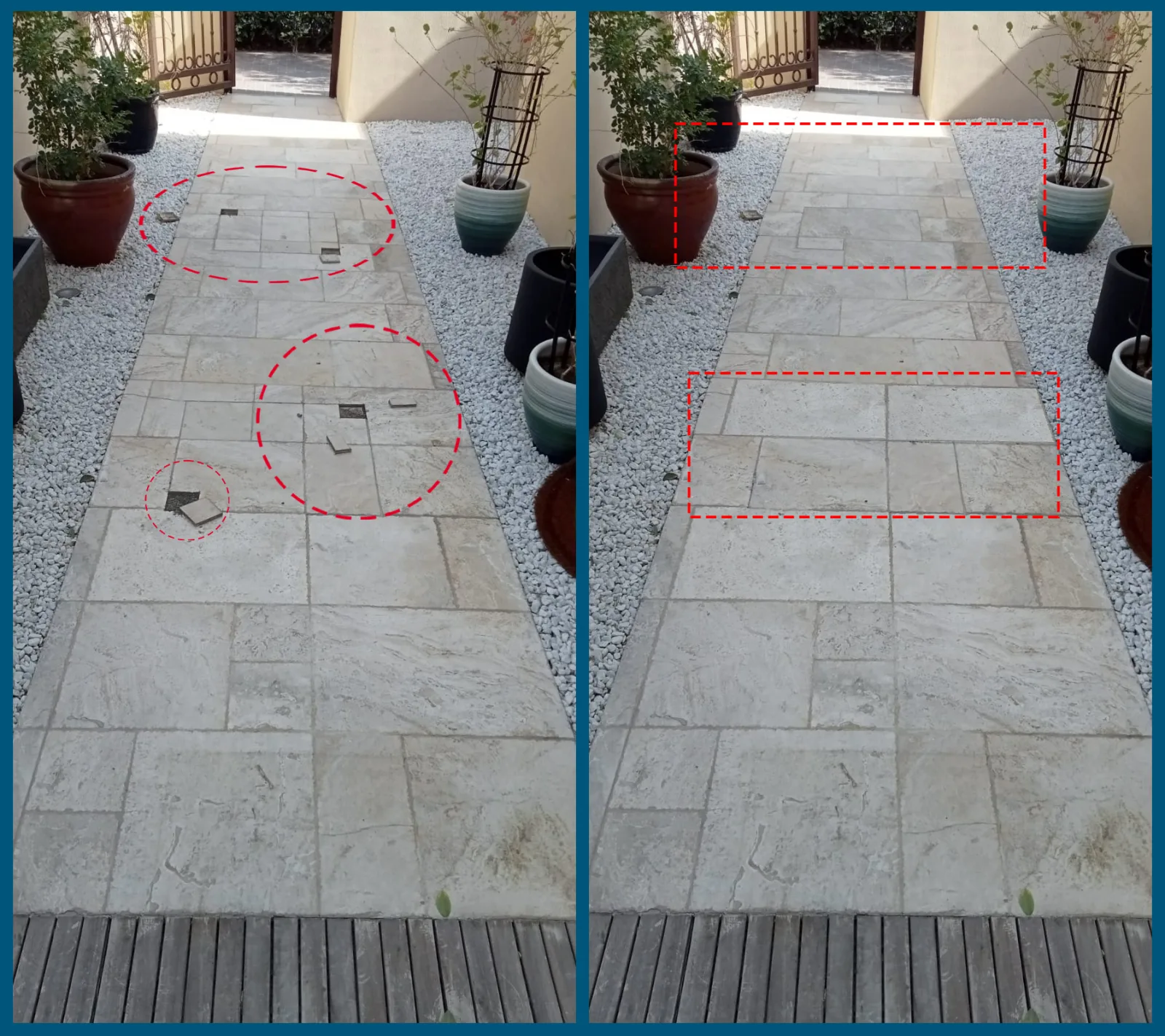
What our tiling team handles
New tiling, repairs, and the unglamorous follow-up work — regrouting, resealing, replacing the one cracked tile that's been bugging you for two years. The standard for Dubai tiling is uneven; we aim higher because the alternative is a finish that ages badly.
New floor tiling
Bathrooms, kitchens, balconies, full apartment floors. Substrate prep first — self-levelling compound where the slab is uneven. Tiles laid against laser line, not eyeballed.
Wall tiling
Bathroom feature walls, kitchen splashbacks, full bathroom-wall fields. Plumb-checked verticals, level rows, consistent joint width across the entire wall.
Cracked-tile replacement
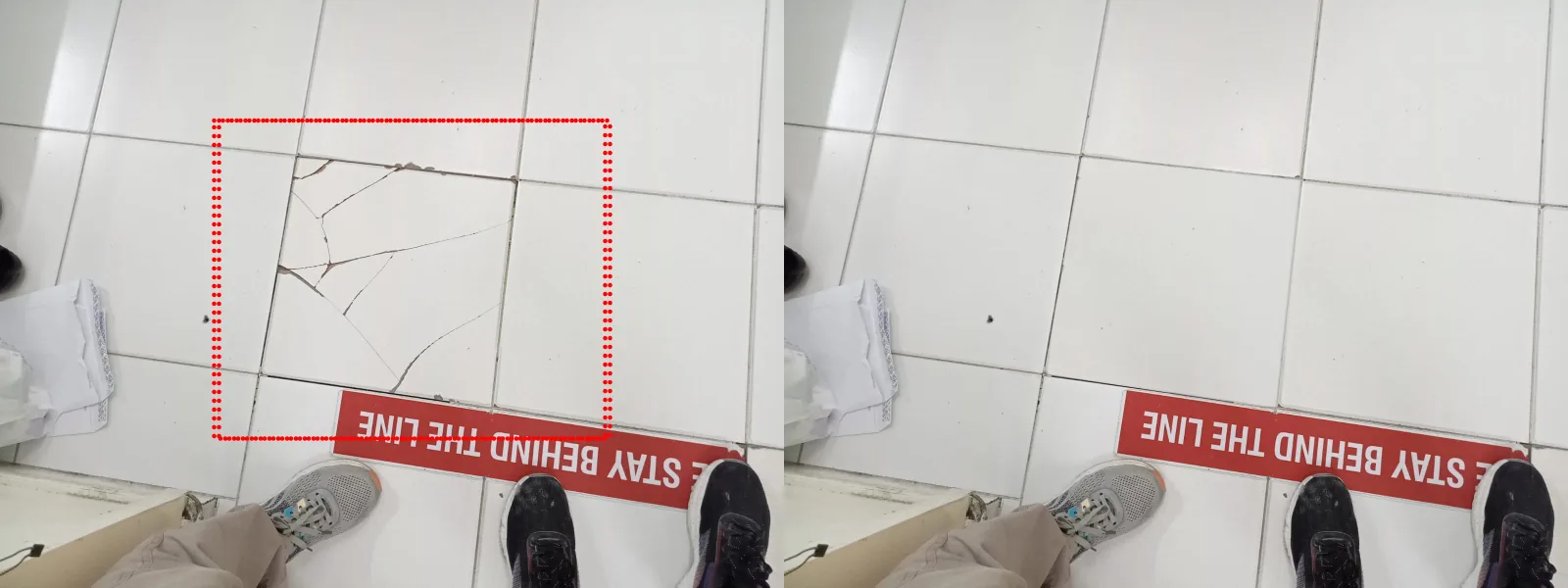
Single tile or small patches — cut out the damaged one without breaking the four adjacent ones, replace with a colour-matched tile, regrout the affected joints. The hard skill is leaving no scar.
Regrouting
Old grout removed mechanically (not chemically — chemicals stain the tile). Fresh grout in matching shade. Sealed once cured. Bathrooms benefit from this every 5–7 years.
Silicone resealing
Bath surrounds, shower trays, sink rims, kitchen counter junctions. Old silicone cut back and removed cleanly, surfaces primed where needed, fresh bead laid with a proper edge. The detail that prevents water under cabinet bases.
Marble laying and polishing
Natural stone needs different adhesive, different cutting, and different sealing than ceramic. Honed or polished finish per spec. We carry diamond-pad polishing kit for re-finishing dulled marble.
Mosaic and feature work
Pool tiling, accent strips, mosaic backsplash. Slow detail work — we don't rush mosaic; the joints have to align across every sheet.
Tile drilling for fixtures
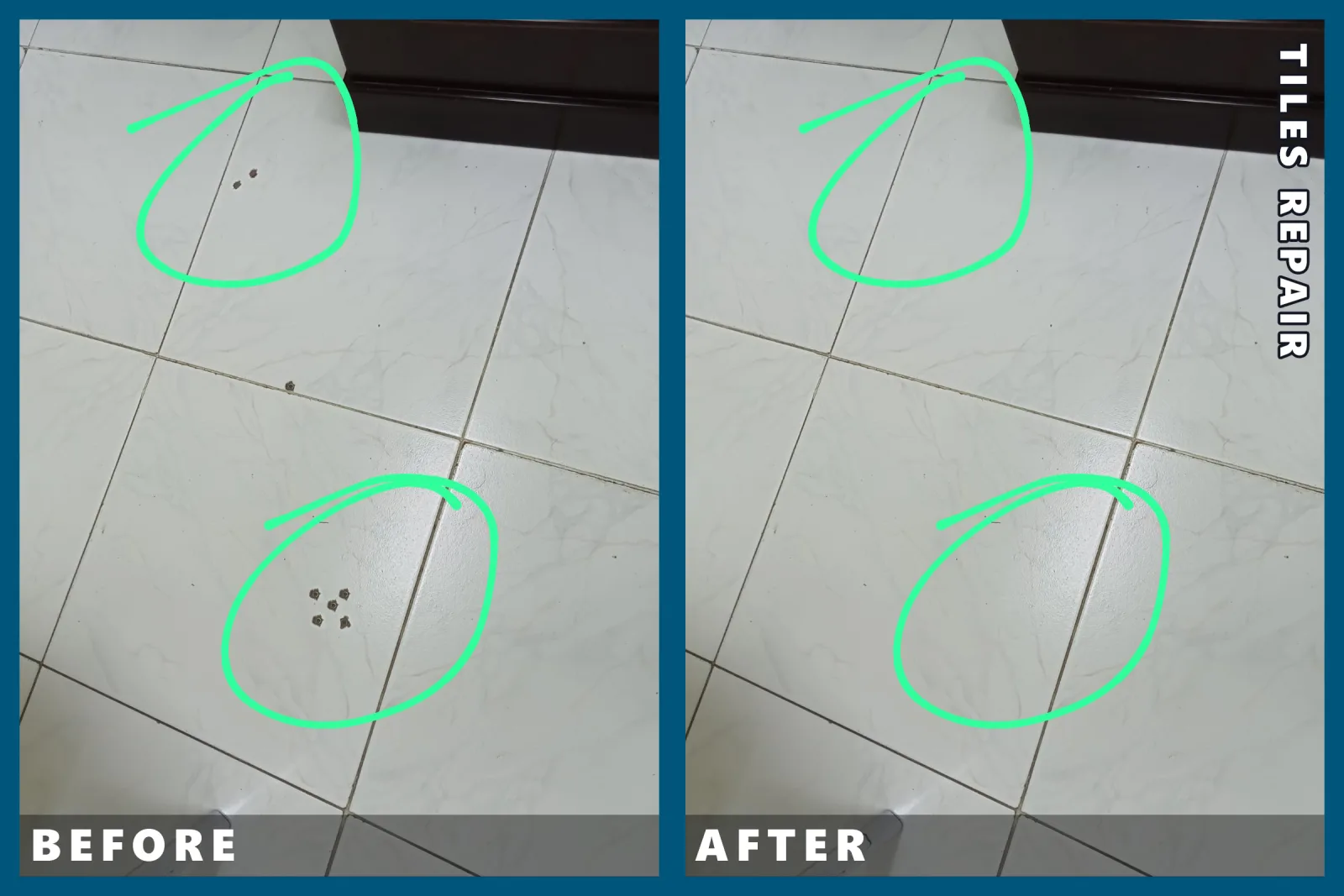
Towel rails, glass shower screens, mirrors. Pilot-drill at low speed with a porcelain bit, not the standard masonry bit that cracks the tile.
Substrate and damp-proof check
Before re-tiling a leaking bathroom, we want to know what's underneath. Damp meter, visible substrate inspection. Sometimes we send the waterproofing team in first; tiling on a wet substrate fails fast.
Cleanup and protection
Adjacent surfaces masked, drop-sheet protection, daily site cleanup, all off-cuts removed. The stuff that distinguishes a finish you can be proud of from one you have to apologise for.
When the tiles need attention
Tile failures usually start small. Catch them at the right stage and the fix is cheap; leave them and you're looking at re-doing the whole bathroom.
Cracked or chipped tile
Single tile cracks usually mean substrate movement or a dropped object. Catch them early — a hairline becomes a path for water under the tile, lifts the adhesive, then the next tile goes too.
Discoloured or stained grout
Grout absorbs everything — soap film, hair products, hard-water stain. Mechanical regrout is faster and cleaner than the chemical-cleaning approach that dulls the tile face.
Black mould in silicone seams
The silicone has lost its seal and water is wicking behind. Cut it back, dry the substrate, lay a fresh bead. Painting over mould doesn't fix it; the only fix is to replace the silicone.
Loose or hollow-sounding tile
Tap test reveals the loss of adhesive bond underneath. The tile will eventually pop — better to lift it on schedule than wait for it to crack a coffee table when it falls off the wall.
Damp patch on a wall behind a bathroom
The shower side of the wall is shedding water through a failed silicone seam or a hairline grout crack. Same plumbing tracing applies — locate, repair, retile if needed.
Uneven floor / lippage between tiles
The previous tiler skipped substrate prep. Some lippage you live with; severe cases need lifting and re-laying with a proper levelling-clip system.
How a Samra tiling job runs
Six steps. Same on a single replacement and a full bathroom retile.
Site visit and measurement
Tile area measured, substrate condition assessed, existing tile (if there is one) cut-tested for ease of removal. Damp meter on suspect areas.
Tile selection and sample
If you're sourcing tiles, we can recommend suppliers. We confirm the right adhesive and grout for the tile type — porcelain wants a different mix than ceramic, marble different again.
Substrate prep
Levelling compound where needed, primer for unstable surfaces, waterproofing layer in wet areas (separate workflow if not already done). Clean, dry, level — the three things that matter.
Layout and dry-run
For new work: tiles dry-laid first to confirm the cut tiles fall in the least-visible places, joints align across feature lines, and the finish edge sits where you want it.
Lay, joint, seal
Notched-trowel adhesive, levelling clips for floor work, plumb-line for vertical runs. After 24 hours: grout, then silicone joints to walls and fixtures. Sealing pass on natural stone.
Cure and walk-through
Site protected for the full cure window (24–48 hours depending on adhesive). Walk-through with you — any lippage, hollow spots, joint inconsistencies fixed before sign-off. Photo report and warranty start logged.
How we price tiling work
Quoted per square metre for fields, per tile for repairs. Tile-supply price varies massively — we keep that line item separate.
Fixed-price written quote
Site visit, measurements, written quote — labour by the m² (or per repair), tile supply line-itemised separately, adhesive + grout + silicone consumables, any substrate-prep or waterproofing as agreed.
What changes the price
- Tile size — large-format slabs are slower and need more skill
- Tile type — marble + porcelain > ceramic for tooling
- Layout — diagonal, herringbone, mosaic add labour time
- Substrate condition — flat slab vs. needs levelling compound
- Removal of existing tile (cost varies by adhesion strength)
How to get a quote
WhatsApp photos of the area, rough dimensions, and tile spec if you've already chosen one. We schedule a site visit for accurate measurements before issuing the all-in price.
Workmanship and material warranties
Two layers on every tiling job. Workmanship is ours; material warranties on adhesives, sealants and the tile itself pass through directly from the manufacturer.
Workmanship warranty
6-month workmanship warranty — if the same issue returns within 6 months due to our work, we'll fix it free of charge. Covers labour only.
For tiling specifically: tiles that lift due to inadequate adhesive bonding on our part, grout cracking from our application, silicone seams that fail at the substrate interface — all covered.
Material warranties
Material warranties depend on the products and systems we install. Many of the brands we work with — including RAK, Mapei, Sika, Bostik, Henkel, and others — carry manufacturer warranties ranging from 1 to 10 years depending on the product. We'll confirm exact warranty terms for the specific materials used on your project before work begins.
Frequently asked questions
What warranty do you provide?
We offer two layers of warranty. First, a 6-month workmanship warranty on the labour we perform — if the same issue returns within 6 months due to our work, we re-do it at no cost. Second, material warranties pass through directly from manufacturers — some systems we install carry warranties of up to 10 years. We'll share exact warranty terms for your specific project before we start.
Does the workmanship warranty cover parts and equipment?
No. Parts, fixtures, and equipment are covered by their manufacturer warranties, which we pass through to you directly. The workmanship warranty covers only the quality of the installation or repair work itself.
Do you supply tiles, or do I bring my own?
Both work. We can recommend suppliers (RAK, Porcelanosa, several Al Quoz tile yards) and order at trade pricing. Or you supply, we lay. We need the tile spec before quoting so we match the right adhesive — porcelain, marble, ceramic and large-format slabs all need different bonding systems.
Can you replace one cracked tile without re-doing the whole floor?
Yes — usually. We score the joints around the damaged tile, break it out cleanly, scrape back the old adhesive, lay the replacement, and regrout the affected joints. The trick is leaving no scar against adjacent tiles. Works best when you have a spare tile from the original lot; if not, we colour-match as close as the supplier still stocks.
How long does a bathroom retile take?
Typical bathroom: 5–7 working days for tile work alone (after any waterproofing has cured). Powder rooms: 3–4 days. Larger bathrooms with feature walls and natural stone: 7–10 days. The cure windows are the unavoidable lead time — adhesive 24 hours, grout another 24, silicone 24 before water exposure.
Do you regrout without re-tiling?
Yes — common request once tiles are 5–7 years old and the grout has stained or hairline-cracked. Mechanical removal of the old grout (we don't use the chemical strippers that ghost the tile face), fresh grout in matching shade, sealed once cured. Bathrooms come back to looking new without lifting a tile.
Do you handle waterproofing or do I need a separate contractor?
We handle it in-house — same team, same warranty. For new bathroom work the waterproofing team goes in before the tile team. For retiling over an old waterproofing layer we damp-test first; if the existing membrane is compromised we strip back and re-do before any tile goes down. Tiling on top of a leaking substrate fails fast.
Recent tiling jobs
Wall tiling, floor tiling, repairs and regrouting in bathrooms, kitchens, balconies and shops across Dubai.
Areas we cover
Same-day reach across Dubai. Tap your area for landmarks, communities and the services we deliver there — or tell us your building on WhatsApp.
Get a quote today
Send a photo or describe the job on WhatsApp. Most quotes come back within the same working day.
