Apartment Renovation in Dubai
Apartment renovation in Dubai by a women-owned contractor since 2015. Building approvals handled, occupied towers, wet areas, joinery and MEP in house. One contractor for the trades that collide in a small flat, not three coordinated across a group chat.
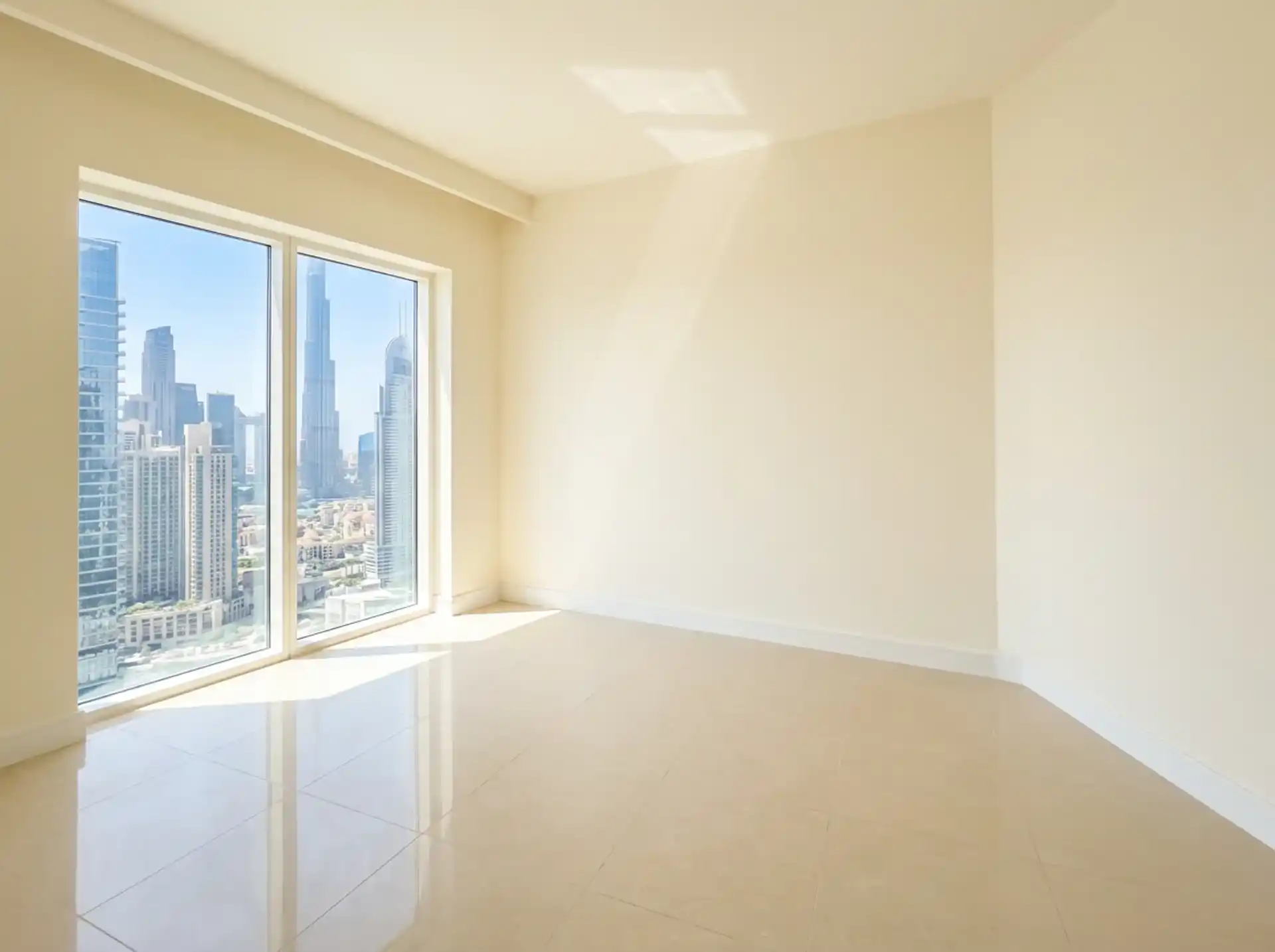
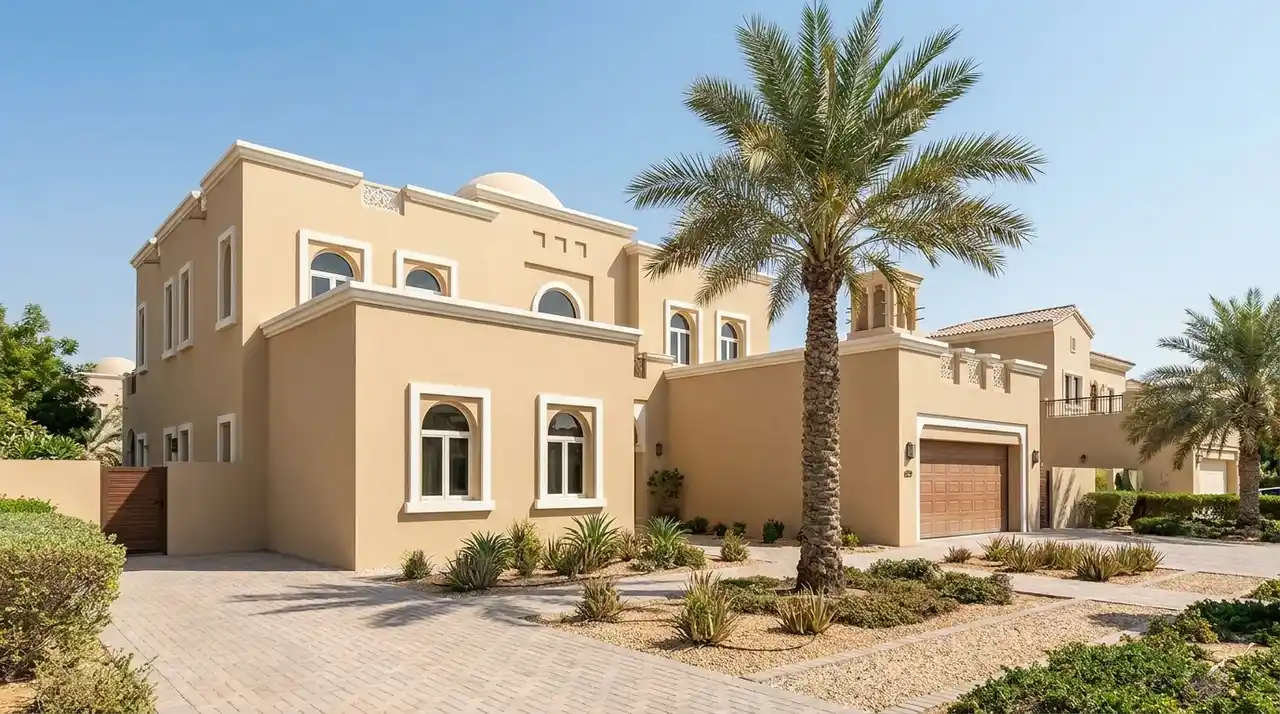
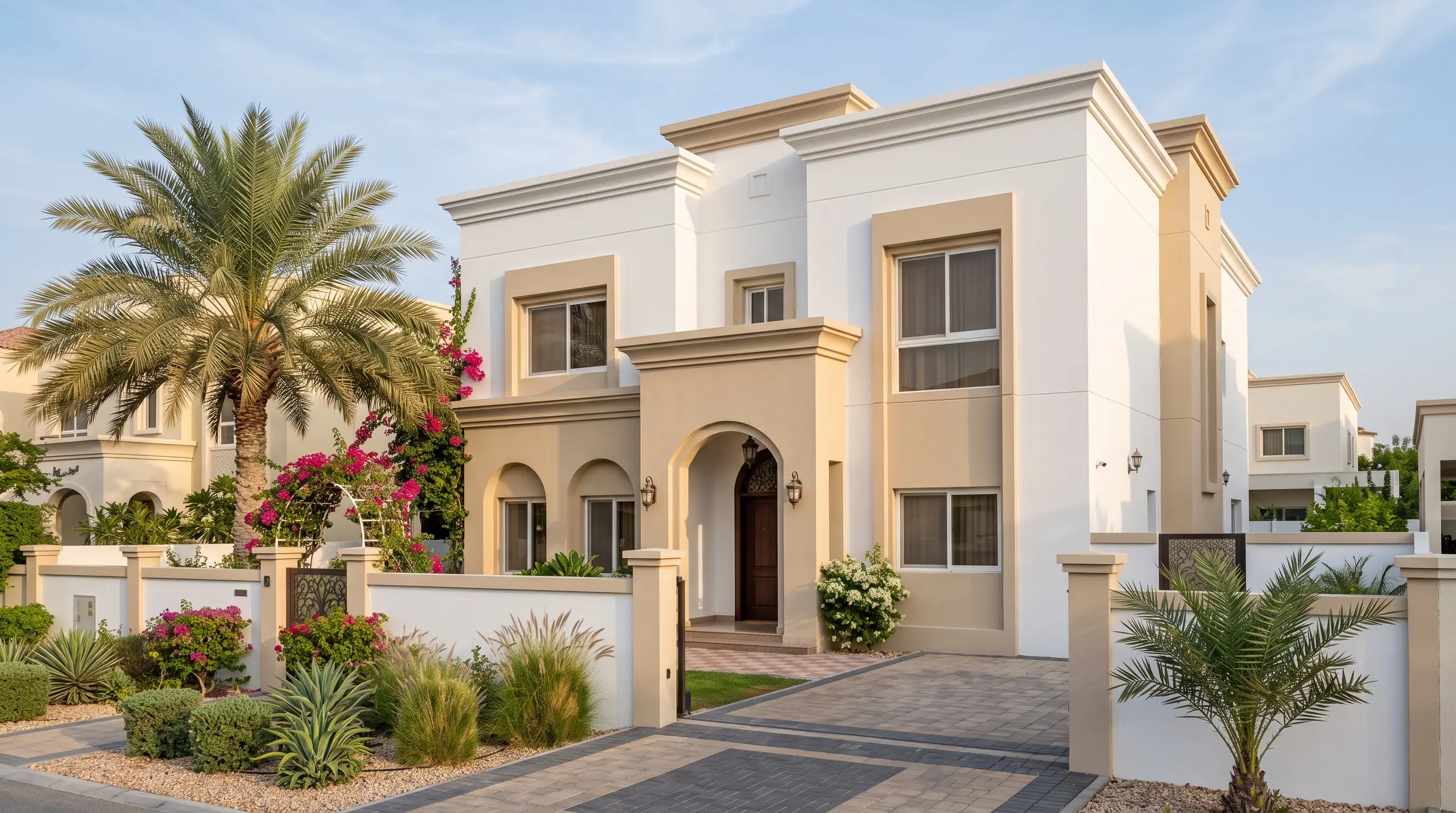
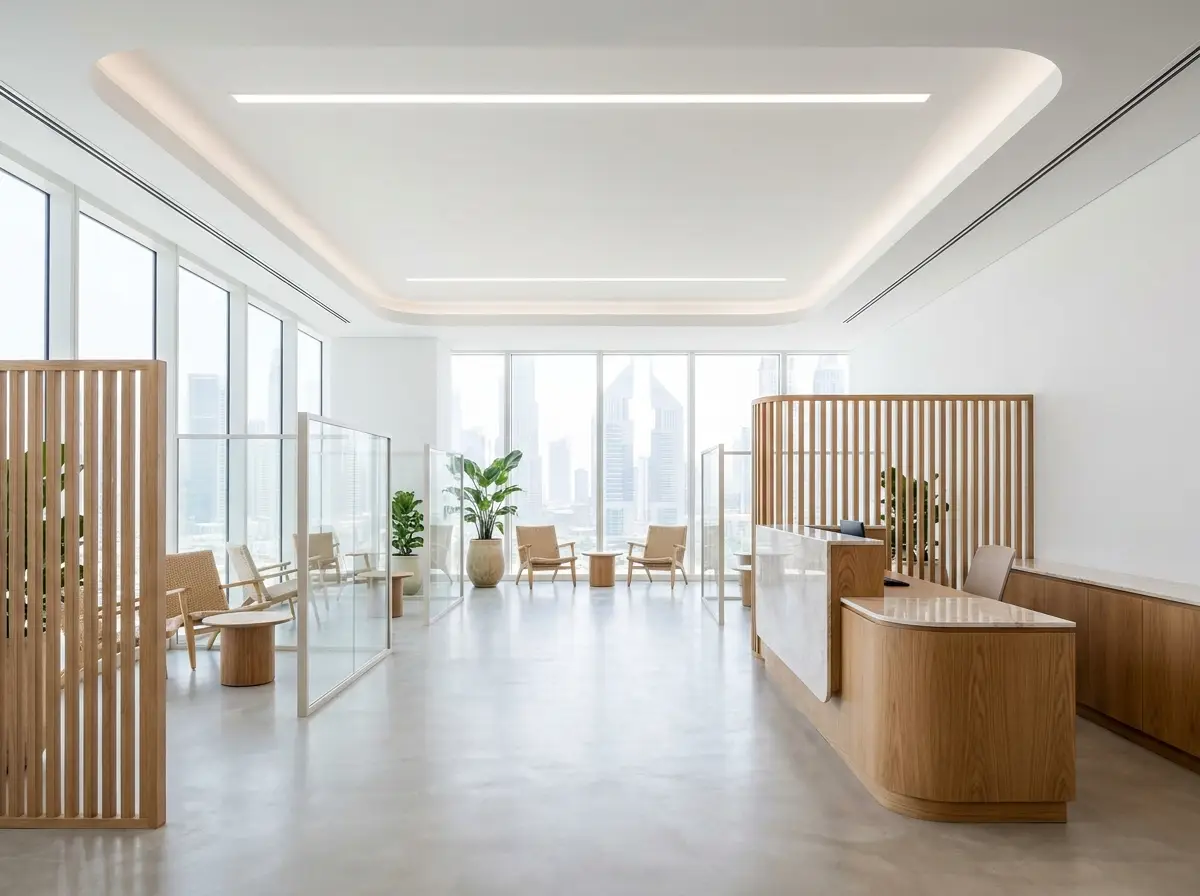
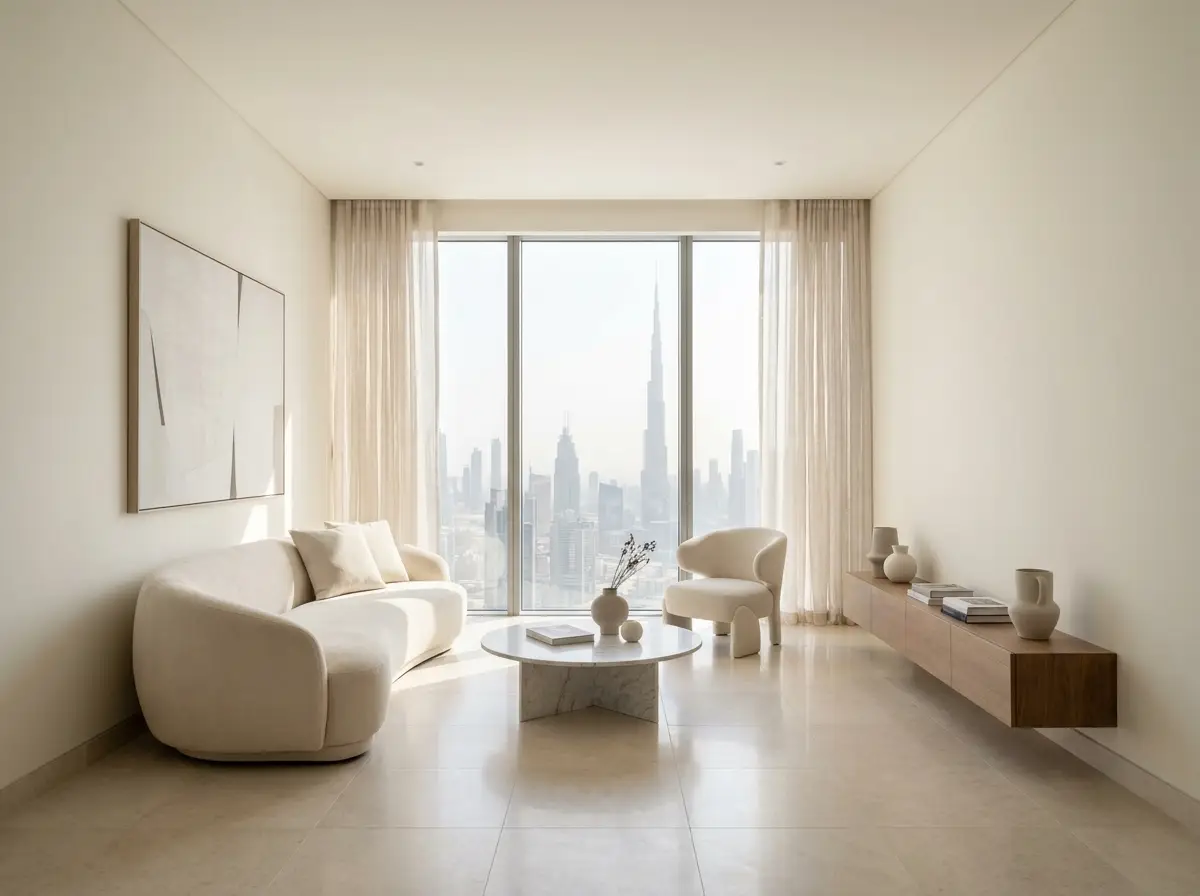
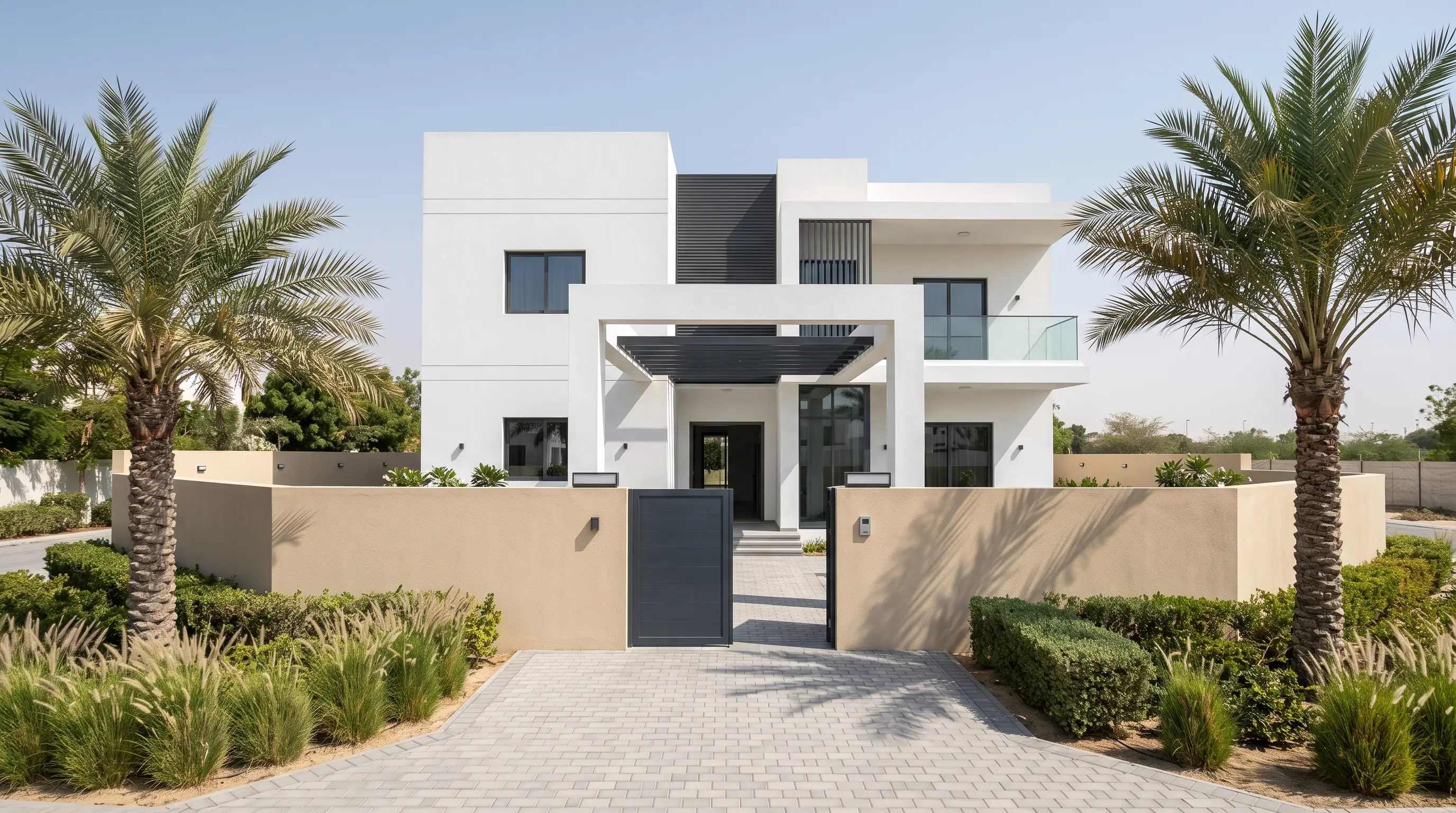
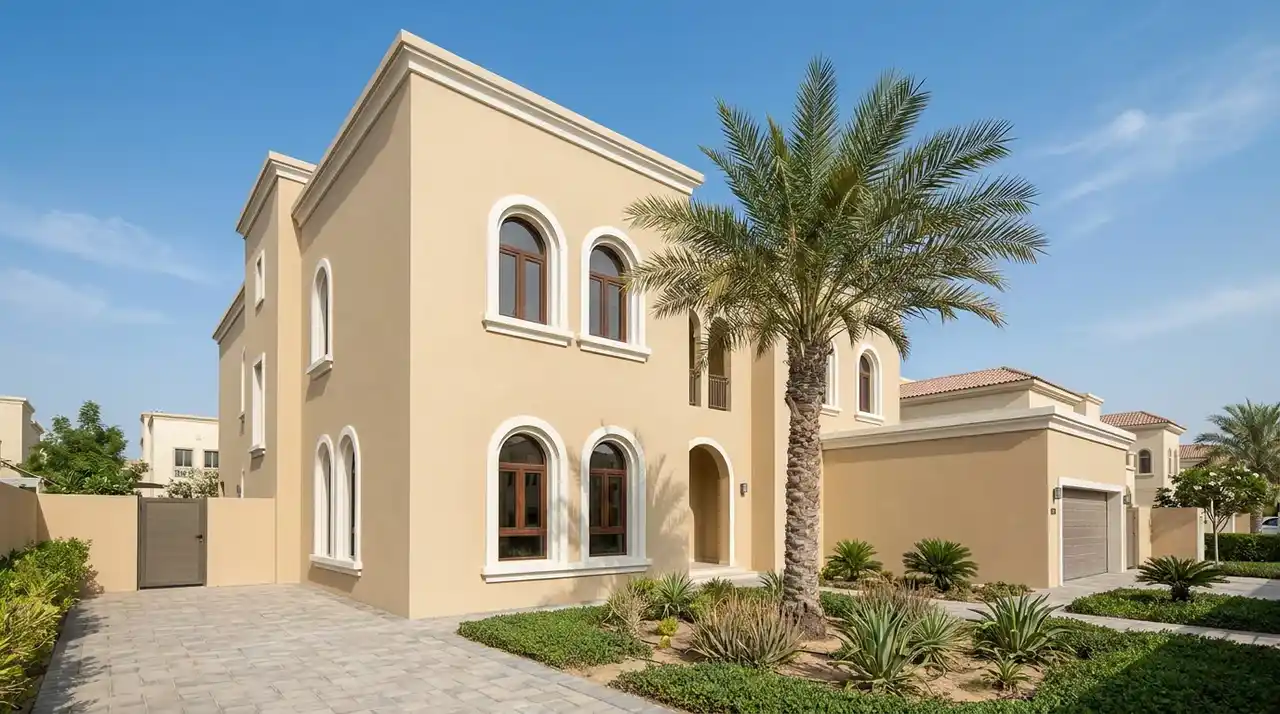
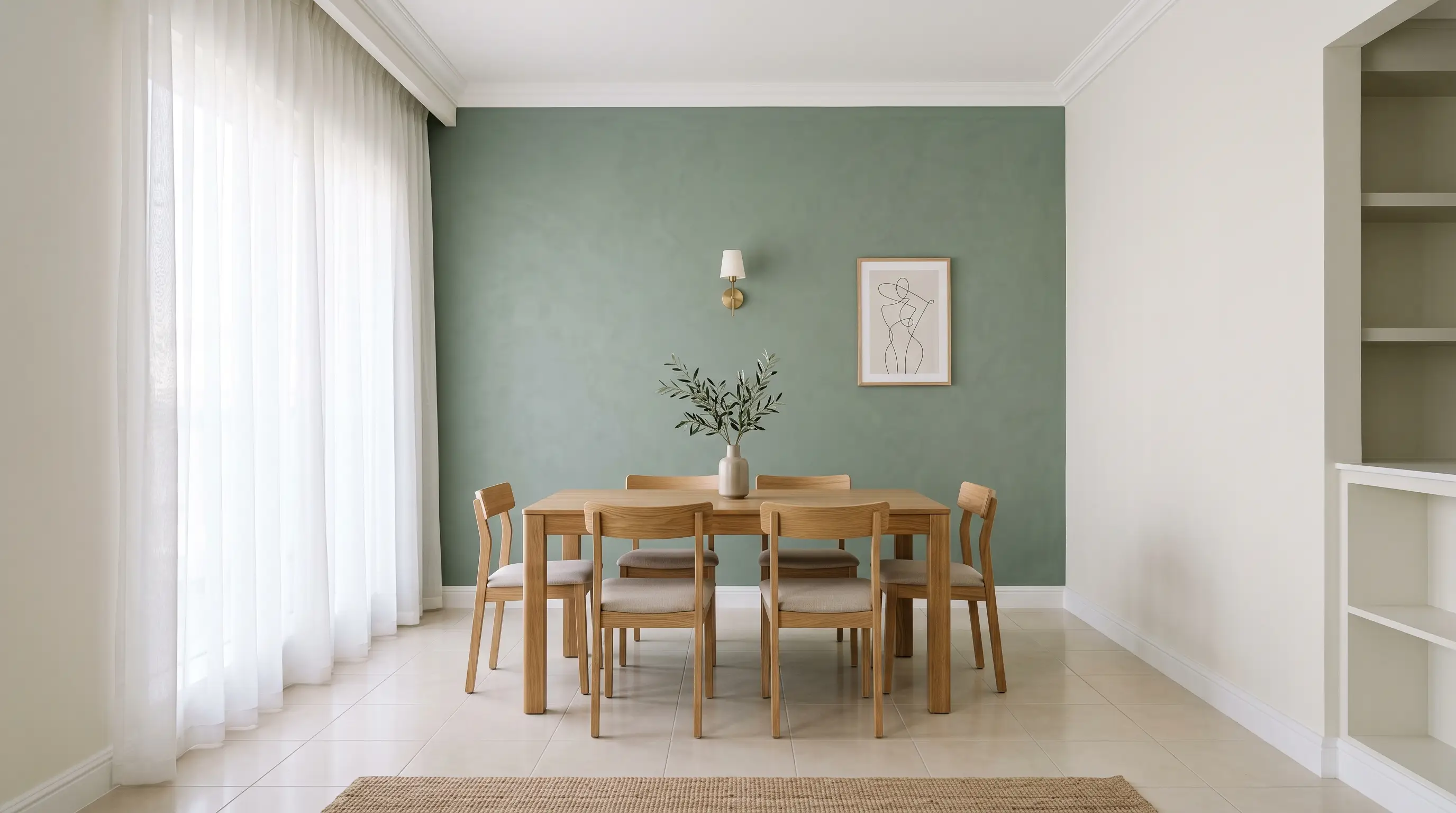
Recent painting work by Samra
A rolling look at painting jobs delivered across Dubai — villas, apartments, offices and shops. Interior and exterior, prep to final coat, using Jotun and Dulux systems.


Apartment work is a different job from a villa
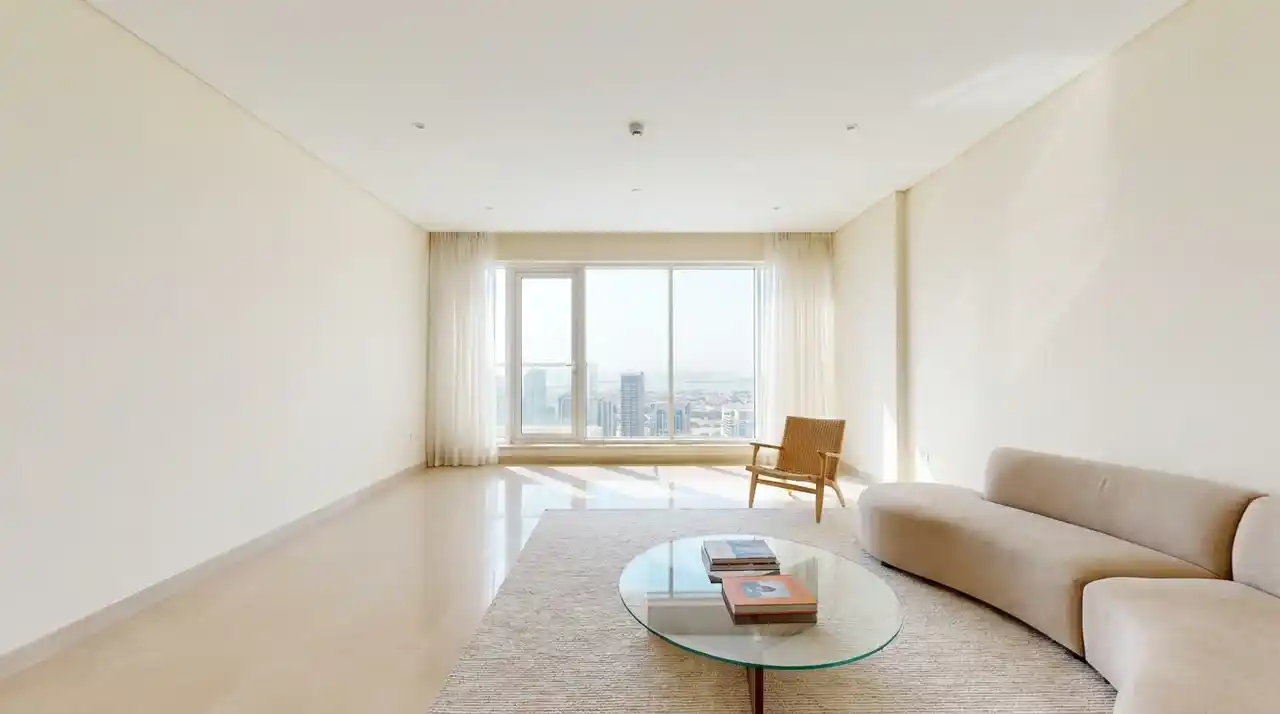
An apartment renovation in Dubai is a different job from a villa. The work is smaller and the constraints are larger. Whether it is a studio, a 1 BHK or a four-bedroom duplex, you are renovating inside a building you share with several hundred other people, reached by a lift somebody else controls, on hours somebody else sets, above a neighbour who will notice the first time water finds a crack.
That is why apartment jobs go wrong for reasons that have nothing to do with the finishes. The design is fine. The programme dies in the loading bay. Or the ceiling comes down and the contractor discovers that the ceiling is not, in the legal sense, yours to take down.
Samra Facilities has worked in Dubai since 2015. We are a women-owned maintenance, fit-out and renovation contractor with in-house MEP, joinery and an interior designer, so the trades that collide in a small flat are managed by one company rather than coordinated across three.
Send us the floor plan and the building name and we will tell you which approvals your scope triggers: contact us.
What an apartment renovation covers
Most apartment work in Dubai falls into one of four scopes, and knowing which one you are in decides the programme and the paperwork.
A refresh. Paint, flooring, light fittings, door ironmongery, a new kitchen worktop. Nothing structural, nothing wet, nothing that touches the building's systems. This is the fastest scope and usually the one landlords and buildings ask fewest questions about. See apartment painting.
A rework of the joinery. Wardrobes, a new kitchen, a media wall, a study built into a bedroom recess. This is where an apartment gains the most usable space per dirham, because Dubai apartments, and a 1 BHK in particular, are typically handed over with generous circulation and mean storage. We make joinery in house, so the sizes come off a site survey rather than off a catalogue. See custom wardrobes and carpentry services.
A wet-area renovation. Bathrooms, the kitchen, sometimes a laundry. This is the scope with the longest tail of risk, because it involves waterproofing above somebody else's ceiling. See bathroom renovations.
A layout change. Removing or moving a partition, closing an opening, converting a maid's room, opening a kitchen into a living area. This is the scope where the question of what belongs to you and what belongs to the building stops being academic.
Interior design sits across all four. If you want the layout resolved and drawn before anyone prices it, that is a design stage and we run it as one. See interior design.
What is yours and what belongs to the building
This is the part almost no apartment renovation page in Dubai explains, and it is the part that decides what you are allowed to do.
Dubai's Law No. (6) of 2019 Concerning Ownership of Jointly Owned Real Property sets out what counts as Common Parts of a building. Article 7 lists them, and the list is longer than most owners expect. Common Parts include, in the law's own words, "the structural components of the Jointly Owned Real Property, including the main supports, foundations, columns, structural walls, ceilings, ceiling joists, staircases, stairwells, facades, and roofs". Article 7 also lists, unless the Site Plan says otherwise, "thresholds; halls; parking aisles; entrances; emergency exits; and windows in external walls".
Read that carefully, because three things in it change how an apartment renovation is planned.
Your ceiling is on the list. Ceilings and ceiling joists are named as structural components of the Common Parts. That does not mean you cannot have a new ceiling. It means a false ceiling, a coffer, or recessed lighting is work in an area the building has an interest in, and the building will treat it that way.
The windows in your external walls are on the list. Changing a window, a balcony door, or anything that reads from outside is not a private decision about your own flat.
So is the air conditioning. Article 7 also lists "elevators, tanks, pipes, generators, chimneys, ventilation fans and ducts, air compressor units, and mechanical ventilation systems", along with heating and cooling systems and equipment. Moving a fan coil unit, adding a diffuser, or re-routing a duct is work on building systems. We do that work, and we do it knowing whose permission it needs. See duct modification and AHU and FCU servicing.
What is comfortably yours is the inside face: finishes, joinery, sanitaryware, non-structural partitions, the fit-out you live in. Most renovations sit there. The value of knowing the boundary is that you find out before demolition, not during.
Approvals: the building first, then the law
There are two layers and they are not the same thing.
Layer one is your building. Every jointly owned building in Dubai is run by a Management Entity. The law defines a Management Company as a company "recognised by RERA and specialised in managing Common Facilities, Jointly Owned Real Property, or Common Parts". The building also has a Building Management Regulation, which the law describes as a document entered in the Jointly Owned Real Property Register stating the procedures for maintenance of Common Parts.
In practice this is the layer you meet first. The management office will want the contractor's trade licence and insurance, a method statement, working hours, a refundable deposit against damage to the lift and corridors, and often a named site supervisor. Buildings differ, and there is no single Dubai rule to quote at you. We read your building's own rules and submit to them.
Layer two is the law, and it engages only above a threshold. Article 39 of the same law says that, without prejudice to the construction legislation in force in the Emirate, an Occupant may make substantial alterations or modifications to the structure or external appearance of the Unit, or to any part of the Jointly Owned Real Property, only after obtaining the approval of the Master Developer, the DLD, and the Competent Authority.
Three approvals, not one. Note also what Article 39 does not say. It is aimed at substantial alterations to structure or external appearance. Painting a bedroom and fitting a wardrobe is not that. Opening a wall between a kitchen and a living room, or changing a window, can be.
The consequence of getting it wrong is written into the same article. Article 39 makes an Occupant who breaches it liable for remedying any resulting damage at his own expense, and if he does not, RERA or the Master Developer may appoint an entity to do it and hold him liable for the cost. That is the real reason to settle the question before the first wall comes down rather than after a complaint.
What we will not do is promise you a date that an authority or a building manager controls. We will tell you which layer your scope triggers, prepare the submission, and keep you informed.
Working inside an occupied tower
The building is lived in while you renovate, and that shapes the programme more than the scope does.
The lift is the bottleneck
Material goes up and debris comes down through a service lift that is booked, shared, and often unavailable at the times you would want it. We plan deliveries against the building's booking system instead of against an ideal schedule, which is why our programmes for tower work look slower on paper and finish closer to the date.
Hours are set by the building, not by us
Most buildings restrict noisy work to defined weekday hours and prohibit it entirely at weekends or during certain periods. Demolition and coring are the noisy items, so we front-load them into the permitted window and move quiet trades into the remaining time.
Protection is part of the job, not an extra
Corridor and lift protection, floor coverings on the route, and a sealed doorway to keep dust out of the common corridor. Buildings inspect this, and a deposit usually depends on it.
Waste has to leave the way it came
There is no skip outside a tower. Debris is bagged, taken down in the same booked lift, and removed by a licensed carrier. On a bathroom strip-out this is a real quantity and it belongs in the programme.
Bathrooms and kitchens, where apartment jobs go wrong
If an apartment renovation is going to produce a claim, it will almost always come from a wet area, and it will usually appear in the apartment below.
The sequence that protects you is not complicated, but it is frequently compressed. Strip out to the slab. Repair the substrate. Lay the waterproofing membrane and take it up the walls to the height the detail requires, not to the height that is convenient. Then flood test, and hold the test long enough to mean something. Only then screed and tile.
The step that gets skipped is the flood test, because it costs days and nothing visible comes out of it. We do it, we record it, and the record goes in your handover file. It is the cheapest insurance available on an apartment job, and it is the single document that settles an argument with a downstairs neighbour months later.
Where a wet patch has appeared and the source is not obvious, locate it before opening anything: see water leak detection. Kitchens carry a second issue. Moving a sink or a washing machine means moving drainage, and in an apartment the fall available under the floor is fixed by the slab. There is often less room than the design assumes. We survey the existing falls before the layout is signed, because the alternative is discovering it after the joinery is made. See plumbing services.
Why owners choose Samra
One contractor, not three
MEP, joinery and finishing are in house. In a flat where every trade works in the same four rooms, that is the difference between a sequence and a queue.
We read your building's rules before we price
The deposit, the hours, the lift booking and the protection requirements are in the quotation, not discovered later as variations.
Our own interior designer
If the layout needs resolving, it gets drawn properly rather than sketched on site.
Women-owned, working in Dubai since 2015
The same quote format, reporting and warranty across every trade.
We do not disappear at handover
Snagging is part of the contract, and ongoing maintenance is available under an annual contract billed quarterly. See snag repair and handover and annual maintenance contracts.
How we price an apartment renovation
We do not publish a rate for apartment renovation, and we would not trust one that was published. The same 2 BHK can differ by a wide margin depending on whether the wet areas are being stripped, whether the layout changes, what the building demands in deposits and protection, and what the joinery is made from.
What we do instead:
1. Survey the flat
Measure it, open up where we need to, check the drainage falls and the ceiling void, and read the building's rules.
2. Fix the scope in writing
Room by room, with the specification named. Where you have not chosen a finish yet, we carry a provisional sum and say so plainly rather than burying it.
3. Price it as a bill of quantities
You see what each element costs, which means you can move money between rooms rather than accepting or rejecting one number.
4. Name the exclusions
Building deposits, authority fees where they apply, and anything conditional on what we find behind a wall.
That is how you get a figure you can hold us to. A number quoted before any of that has happened is a guess, and on apartment work the guess is usually low.
Warranties
Workmanship warranty
Six-month workmanship warranty on our labour. If the same issue returns within six months due to our work, we come back and fix it.
Material and equipment warranties
Material and equipment warranties are passed through from the manufacturer and confirmed in your quotation, so you can see the term before you commit rather than after. Waterproofing is recorded with its flood test result in the handover file.
Frequently asked questions
Do I need permission to renovate my apartment in Dubai?
It depends on the scope. Your building's Management Entity will have its own requirements for any contractor working on site, and that layer applies to almost every job including a simple refresh. Beyond that, Dubai's Law No. (6) of 2019 addresses substantial alterations to the structure or external appearance of a unit, and those need the approval of the Master Developer, the DLD and the Competent Authority. We tell you which layer your scope triggers before you commit.
Can I remove a wall between my kitchen and living room?
Sometimes. It depends on whether the wall is structural, and structural walls are named in the law as Common Parts of the building rather than part of your unit. We establish what the wall is doing before it is priced, not after it is opened.
Is the ceiling in my apartment mine?
Not entirely. Article 7 of Law No. (6) of 2019 lists ceilings and ceiling joists among the structural components that form the Common Parts of a building. In practice you can still have new ceilings, but the work is treated as affecting an area the building has an interest in, so it goes through the building rather than around it.
How long does an apartment renovation take?
The scope sets the range and the building narrows it. A refresh of a 1 or 2 BHK is a matter of weeks. A renovation involving wet areas and a layout change runs longer, and in an occupied tower the limiting factor is often the lift booking and the permitted working hours rather than the trades themselves. We give you a programme built against your building's actual restrictions.
Can I live in the apartment during the work?
For a refresh, usually yes. For anything involving the bathrooms or the kitchen, it is rarely comfortable and it slows the job, because dust control and material movement both become harder. We will tell you honestly which one you are in.
Do you handle the building's paperwork?
Yes. We submit the trade licence, insurance, method statement and access requests to your building's management office, and we take responsibility for the deposit conditions we agreed to.
What about the apartment below mine?
That is the reason we flood test every wet area and record the result. Waterproofing failures in apartments show up downstairs, sometimes months later, and the test record is what settles the question of whether the work was done properly.
Do you do apartment interior design as well as the build?
Yes. We have an interior designer in house, so a layout can be designed, drawn and then built by the same company. You can also bring your own designer and we will build to their drawings.
Areas we cover
The apartments worth renovating properly cluster in a few places. Downtown Dubai and Dubai Marina are high-spec towers where the building's rules are strict and the finish level is high. Palm Jumeirah apartments carry sea-air corrosion on anything metal and a stricter access regime. Jumeirah Beach Residence is beachfront towers with the same salt exposure. Jumeirah Lakes Towers and Business Bay are the working towers where reconfiguration is constant. We work elsewhere in the city too, listed on our areas page.
Send us the floor plan
Send the floor plan, a few photographs of the rooms you want changed, and the name of your building. WhatsApp them to us or use the contact page. We will tell you which approvals your scope triggers, what your building is likely to ask for, and what we need to see on site before we can put a number to it.
Areas we cover
Same-day reach across Dubai. Tap your area for landmarks, communities and the services we deliver there — or tell us your building on WhatsApp.
Brief us on your apartment renovation
Send the floor plan, a few photographs of the rooms you want changed, and the name of your building. We will tell you which approvals your scope triggers and what your building is likely to ask for before we put a number to it.